In Virginia Beach, it can feel like the bugs never take a break, even when the calendar says they should. You might see mosquitoes long after summer, ants marching across the counter after a storm, or roaches in the bathroom when you thought the “season” was over. That steady drumbeat of pest activity is frustrating, and it can make you wonder if anything really works for more than a few weeks at a time.
Most people are not told that pests in Virginia Beach are not just a “summer” problem, they are a climate problem. The mix of salty air, heavy humidity, frequent rain, and relatively mild winters gives many pests exactly what they need, almost all year long. Once you understand how that coastal climate works, the patterns you see in your home start to make sense, and so does a different approach to pest control.
AtMitchell Pest Services, we are locally owned and operate across Virginia, including coastal communities like Virginia Beach, so we see these climate-driven pest patterns every day in real homes and businesses. As a provider of professional pest control services, our technicians plan treatments around seasons, storms, and moisture, not just around what is visible on the day of a visit. In this guide, we will walk through how the Virginia Beach climate shapes pest behavior and what that means for preventing and treating infestations in your home.
Why Virginia Beach’s Coastal Climate Fuels Persistent Pest Problems
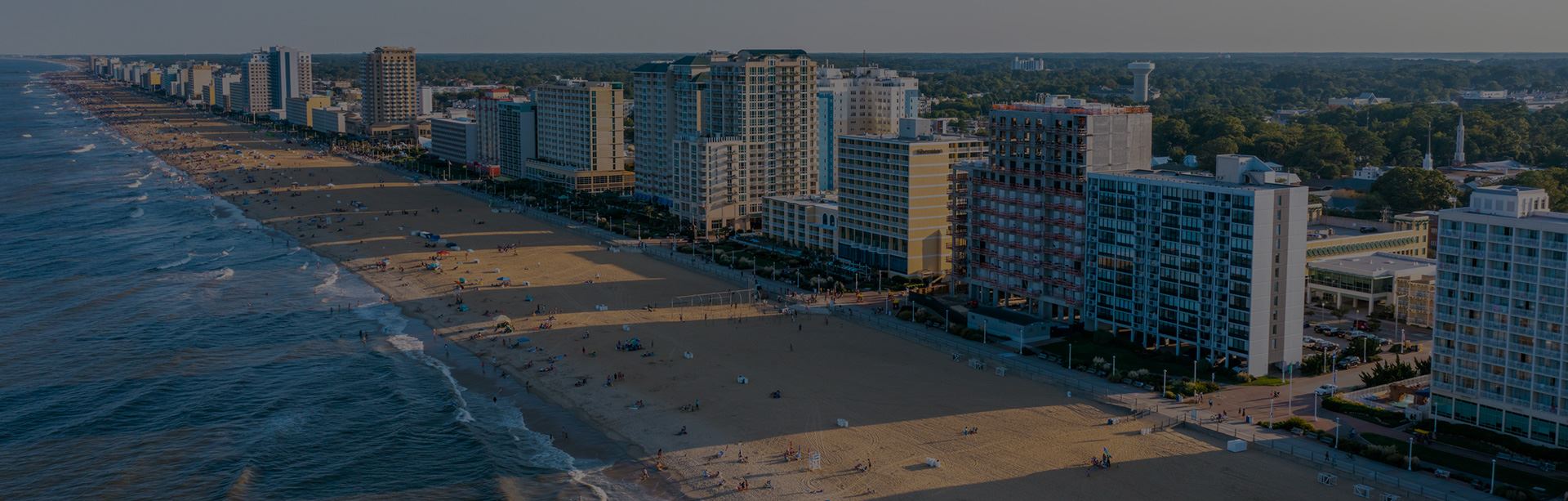
Virginia Beach sits in a warm, humid coastal zone where the air rarely stays dry for long. Spring arrives early, summers are long and muggy, and even in winter we often have stretches of mild weather instead of sustained deep freezes. Add in frequent rain, salt air, and low-lying areas that hold water, and you have an environment where insects and rodents have plenty of warmth, moisture, and shelter.
Most common household pests lose water through their bodies and can die if they dry out. In a drier inland climate, long cold snaps and lower humidity help knock populations down each year. In Virginia Beach, high humidity acts like a safety net for many insects. Moist air and damp surfaces reduce the risk of drying out, so more roaches, ants, and other pests survive between feedings and through the night, which lets them breed more often and in greater numbers.
Mild winters are another major factor. Instead of weeks of hard freezes that kill large portions of outdoor populations, we get a mix of chilly days, rain, and thawing periods. Pests respond by shifting locations instead of dying off. Ants and roaches move deeper into soil or inside wall voids, rodents move from yards into attics and crawl spaces, and some insects simply slow down until the next warm spell. Then, as soon as temperatures rise again, activity can spike, even in January or February.
Because we work throughout Virginia and West Virginia, we see how different the coastal pattern is compared to inland areas. A home in Virginia Beach can have active pest pressure for many more months of the year than the same style home in a drier, colder part of the state. That is why a one-size-fits-all approach falls short here. In this climate, success comes from understanding how the environment keeps feeding pests and planning your defenses around that reality through effective pest control in Virginia Beach.
Humidity, Moisture, and the Pests They Attract in Virginia Beach Homes
Humidity is more than a comfort issue, it is a pest engine. Cockroaches, ants, silverfish, and many other insects thrive where the air and surfaces stay moist. In Virginia Beach homes, that often means kitchens, bathrooms, laundry rooms, basements, and crawl spaces. Condensation on pipes, damp drywall, and poorly ventilated areas create small pockets of ideal habitat where pests can hide and breed out of sight.
Subterranean termites, which are common in coastal Virginia, rely on moist soil to survive. They build mud tubes to travel between their underground colonies and your home, and those tubes dry out more quickly in arid conditions. In a humid, frequently wet area like Virginia Beach, the soil around foundations, decks, and porches can stay damp longer. Wooden steps, siding close to the ground, or old fence posts that sit in that moist soil become easy targets for termite colonies searching for food. This is why many homeowners eventually require termite control in Virginia Beach to protect their property from long-term structural damage.
Moisture issues are not limited to the ground. Poor drainage around the home, clogged gutters, and downspouts that dump water along the foundation all feed the same problem. After a series of rainy days, water can collect in low spots near the house and seep into crawl spaces or under slabs. That dampness invites ants, roaches, centipedes, and other insects seeking a stable, humid refuge, and it sets the stage for long-term termite pressure if it is not corrected.
We see this pattern constantly in Virginia Beach. During inspections, our technicians pay close attention to moisture levels and drainage, not just where pests are already visible. We often find that the real issue is a damp crawl space, a shaded side yard with poor drainage, or wet wood against the siding. Addressing those conditions, alongside targeted treatments like ant control in Virginia Beach, is what brings lasting relief in a coastal climate, rather than simply spraying the area where pests showed up last week.
Mild Winters Mean Pests in Virginia Beach Never Really Shut Down
Many people assume that winter gives them a break from pests. In Virginia Beach, that break is shorter and less complete than you might expect. Because winter temperatures often hover above freezing and we see frequent warm spells, many pests either stay active or are ready to rebound with very little notice. You might see a quiet stretch, then a burst of ant trails or spider webs on a mild weekend in January.
Overwintering is what makes this possible. Instead of dying off outdoors, pests move into more protected spaces as temperatures cool. Rodents that spent summer in sheds and woodpiles move into attics, wall voids, and crawl spaces. Roaches retreat deeper into wall framing, behind cabinets, and around plumbing chases where warmth and moisture are stable. Certain ant species nest deeper in soil or within foundation cracks, waiting for the next warm day to resume foraging.
Indoor heating adds another layer. When you heat your home, you create a comfortable zone that many pests can use as a winter refuge. Tiny gaps around utility lines, vents, and door frames become highways from the outside into that heated space. Once inside, pests find food crumbs, water from sinks or pet bowls, and dark harborage, which lets them stay active even when the outside air briefly cools down. In many cases, recurring winter infestations eventually require rodent control in Virginia Beach and targeted treatments designed for hidden nesting areas.
Our year-round service plans in Virginia Beach are built around these patterns. Winter visits focus less on broad outdoor treatments and more on sealing entry points, monitoring attics and crawl spaces, and checking indoor hot spots like kitchens and bathrooms. This approach recognizes that in a mild coastal winter, the battlefront shifts indoors. Staying ahead of that shift is what keeps minor winter activity from growing into a serious infestation when spring warmth returns.
Storms, Flooding, and Mosquito Surges Along the Coast
Rain is part of life in Virginia Beach, and coastal storms can drop a lot of water in a short time. While the immediate concern might be flooding or property damage, standing water left behind also serves as a breeding ground for mosquitoes. Water that collects in ditches, clogged gutters, toys, planters, and low-lying parts of your yard can turn into a nursery for biting adults.
Mosquitoes go through four stages: egg, larva, pupa, and adult. In warm, humid conditions like we have for much of the year, they can complete this cycle in a short time, often in around a week. That means a heavy rain followed by several warm days can lead to a sharp spike in mosquito numbers. Homeowners often notice that a yard feels tolerable right after a storm, then becomes almost unusable a week or so later when the new generation of adults emerges.
Storms also change where other pests live. High water can flush ants and roaches out of their usual hiding places in the soil or under debris, pushing them toward drier spots, which often means inside your home or garage. Roof leaks, damaged siding, and water intrusion from wind-driven rain create new moist cavities in walls and ceilings. These wet pockets are attractive to roaches, ants, and even rodents that are looking for dry shelter after a storm.
Because of these patterns, timing matters. We pay close attention to rain and storm forecasts for Virginia Beach and schedule mosquito and general pest services to line up with those events whenever possible. Treating breeding sites, reducing standing water, and applying targeted yard treatments through mosquito control in Virginia Beach can significantly reduce mosquito pressure after heavy rainfall.
A Seasonal Pest Calendar for Virginia Beach Homes
One useful way to think about climate impacts on pest control in Virginia Beach is to map activity across the seasons. While exact timing can shift from year to year, the overall pattern is fairly consistent. Understanding this calendar helps you know what to watch for and when a proactive visit from a professional can do the most good.
In early spring, as soil warms and moisture increases, subterranean termites can become more active near the surface. Swarmers, the winged termites that leave the colony to start new ones, tend to appear when conditions are warm and damp. Around the same time, many ant species ramp up foraging, and you may see new trails in kitchens or along foundations. This is also when overwintered rodents may still be active inside, especially if they found food and nesting material during the colder months.
From late spring through summer, heat and humidity are in full swing. Mosquito populations rise quickly after rains, and yards with poor drainage or lots of containers can become hotspots. Roaches, ants, spiders, and stinging insects are highly active, moving between yards and structures in search of food and water. For many homeowners, this is the season when bugs feel most overwhelming, especially after a stretch of hot, wet weather.
Fall brings a different shift. As nights cool but the environment stays relatively mild, rodents and some insects begin searching for winter shelter. You may see more rodent droppings in garages or hear activity in attics as they move in. Spiders can become more visible inside as they follow insect prey. Termite activity may continue in the soil as long as temperatures remain moderate and moisture is present, even if swarms are no longer visible. Homes experiencing repeated seasonal pest movement often benefit from services like wildlife control in Virginia Beach to address attic and crawlspace intrusions tied to weather changes.
Winter in Virginia Beach is more of a slowdown than a shutdown. On colder weeks, you might notice less surface activity outside, but pests that found their way indoors during fall can remain busy in hidden areas. Ant trails may appear on unseasonably warm days, spiders and roaches can continue to move around interior spaces, and rodents rarely leave once they have found a comfortable nesting spot. This is why pest calls come in throughout the winter, not just during traditional “bug season.”
The calendar we see in our Virginia Beach service calls follows this pattern year after year. By planning inspections and treatments around these seasonal shifts, we can intercept termites before swarms cause damage, reduce mosquito populations before outdoor seasons, and block rodents and insects before they settle in for winter. That proactive, climate-aware schedule is far more effective than waiting until a visible problem appears and hoping a single visit solves it.
How We Tailor Pest Control to Virginia Beach’s Climate
Given everything the Virginia Beach climate throws at your home, a basic, one-time spray is not enough. Effective pest control here means tailoring what we do, when we do it, and where we focus based on humidity, storms, building style, and the seasonal calendar. At Mitchell Pest Services, we build that local reality into every inspection and treatment plan we create.
Our inspections start with climate-sensitive areas. We look closely at crawl spaces, foundations, and low-lying parts of the yard where moisture tends to collect. We check gutters and downspouts, landscaping against the home, and any wood or debris in contact with soil. Inside, we focus on kitchens, bathrooms, laundry rooms, and utility spaces where pipes, drains, and appliances create heat and moisture that pests love. This lets us see how your specific property interacts with the broader coastal environment.
Treatments then change with the seasons and recent weather. In spring, we may emphasize perimeter defenses and termite monitoring around the foundation. In summer, we often combine exterior treatments targeting ants and roaches with yard-focused mosquito reduction where appropriate. In fall and winter, we shift attention to sealing entry points, tightening up gaps around doors and utility lines, and addressing attic and crawl space activity. Severe storms or unusually wet periods might lead us to put extra focus on drainage and structural vulnerabilities that we have noted in prior visits.
We also recognize that in a climate where pests can rebound, follow-through matters. That is why we pair tailored plans with free re-treatments if problems persist between scheduled visits. If a weather pattern or a structural issue causes a resurgence, we come back out to address it under the terms of your plan. Combined with our same-day response capability for many calls and our comprehensive services for pests, rodents, bed bugs, and termites, this climate-aware approach gives Virginia Beach homeowners a realistic way to stay ahead of infestations instead of always playing catch-up.
Steps Virginia Beach Residents Can Take Between Professional Visits
Professional treatments go a long way in a tough coastal environment, but your everyday habits and maintenance choices also make a big difference. The goal is not to fight the Virginia Beach climate, but to keep your home from becoming the easiest spot for pests to ride out that climate. Small, consistent steps add up when they target moisture, shelter, and access points pests rely on.
Start with moisture control. Check gutters and downspouts regularly so they move water away from the foundation instead of dumping it along the walls. Look for low spots in the yard where water lingers after rain and, where possible, improve grading or add drainage so those puddles do not become permanent. In and around crawl spaces, make sure vents are clear, insulation is intact, and there are no obvious signs of standing water or persistent dampness. These simple checks directly cut down on the humid, wet zones that support termites, mosquitoes, and moisture-loving insects.
Next, think about entry points and storm impacts. After heavy winds or tropical systems, walk around your home to look for damaged screens, loosened siding, missing caulk, or gaps around doors and windows. Even small openings can serve as doors for rodents, roaches, and ants that are looking for drier shelter after a storm. Repairing these issues promptly keeps the line between outdoors and indoors much tighter at the exact time pests are most motivated to cross it.
As we visit homes in Virginia Beach, our technicians routinely point out these climate-sensitive issues and help homeowners prioritize what to tackle first. We see ourselves as partners rather than just applicators. When your maintenance efforts between visits align with a climate-aware treatment plan, the Virginia Beach environment has fewer ways to push pests into your living space, and each professional visit has a bigger, longer-lasting impact.
When Climate-Driven Pest Problems Call for Professional Help
Even with good habits, there are times when the Virginia Beach climate stacks the odds too heavily in favor of pests for DIY approaches to keep up. Recognizing those thresholds early can save you from larger infestations, higher repair bills, and a lot of frustration. The key is to connect what you see in your home with the climate patterns that may be driving it.
Some warning signs are clear red flags. Seeing termite swarmers inside, finding mud tubes along your foundation, or noticing wood that sounds hollow when tapped, especially in a damp area, all point to a problem that needs professional attention. Persistent rodent activity in winter, such as noises in walls or attics and new droppings despite traps, often means rodents have established nests and are using structural routes you cannot easily access. Mosquitoes that make your yard unpleasant week after week during warm, wet stretches usually indicate that breeding sources are present and widespread.
In a coastal environment, waiting to see if these issues “go away” rarely works. Warmth and moisture keep feeding pest populations behind the scenes, even when surface activity seems to slow. Store-bought sprays and traps can knock down a portion of what you see, but they almost never address the underlying climate and structural factors, such as chronic dampness, hidden entry points, or soil conditions that support colonies. The result is a cycle of temporary relief followed by another wave of activity.
When you reach that point, a local, climate-aware team can change the equation. When you contact Mitchell Pest Services, we start with a thorough inspection aimed at understanding how your home and the Virginia Beach climate interact. From there, we outline a treatment and monitoring plan that fits the pests you are facing, the season, and your property’s layout. Same-day responses are often available, and with competitive pricing and free re-treatments for persistent issues as part of our service policies, year-round protection becomes a practical choice rather than an emergency splurge.
For businesses dealing with climate-driven pest activity around restaurants, offices, warehouses, or hospitality spaces, our commercial pest control services provide tailored protection designed for long-term prevention and operational safety.
Protect Your Virginia Beach Home With Climate-Smart Pest Control
Virginia Beach’s climate will always favor pests. Long, humid summers, frequent storms, and mild winters give insects and rodents more chances to breed, hide, and move indoors than in many other parts of Virginia. The good news is that once you understand those patterns, you can plan around them. A combination of moisture management, good maintenance, and a treatment plan built for this coastal environment can turn a house that pests love into one they pass over.
At Mitchell Pest Services, we live and work in the same conditions you do, so our approach to pest control is built around Virginia Beach’s climate, not guesswork or generic schedules. Whether you are dealing with termites near a damp foundation, mosquitoes after a rainy stretch, or rodents in the attic during a mild winter, we can inspect your property and recommend a tailored, affordable plan that keeps climate-driven pests in check all year.